
If you’re anything like me, dealing with inflammation can feel like an ongoing battle. Whether it’s achy joints from overdoing it at the gym or chronic pain from conditions like arthritis, finding a natural and effective remedy is always at the top of my list. That’s where cannabis comes into play. But the big question remains: how do I use cannabis to reduce inflammation effectively and safely?
In this article, I’ll walk through the science behind cannabis and inflammation, the best consumption methods, and my own personal experiences using this plant for relief. Let’s explore how cannabis can soothe inflammation and improve overall well-being.
Understanding Inflammation: What Is It and Why Should We Care?
Before we get into cannabis as a solution, let’s talk about inflammation itself. It’s a natural bodily response to injury, infection, or disease. However, chronic inflammation is something else entirely. It’s linked to numerous conditions, including arthritis, autoimmune disorders, digestive issues (like Crohn’s disease and IBS), chronic pain conditions, and neurodegenerative diseases (like Alzheimer’s).
While inflammation is necessary for healing, too much of it can cause serious damage over time. That’s where cannabis enters the picture as a promising natural option.
How Does Cannabis Reduce Inflammation?
Cannabis contains hundreds of compounds, but the two most well-known and well-researched for inflammation relief are cannabidiol (CBD) and tetrahydrocannabinol (THC). Each interacts with the body’s endocannabinoid system (ECS), a crucial regulatory network that controls immune responses, pain, and inflammation.
The Role of CBD in Reducing Inflammation
CBD is widely recognized for its anti-inflammatory properties. Unlike THC, it doesn’t produce a high, but it does engage with CB2 receptors in the ECS, which are primarily found in the immune system. Research published in the Cannabis and Cannabinoid Research and other peer-reviewed publications suggests that CBD can suppress cytokine production (proteins that promote inflammation), regulate immune responses to prevent overactivation, and reduce oxidative stress, which contributes to chronic inflammation.
In my experience, CBD has been invaluable for post-workout recovery and general joint discomfort. But it’s not just athletes benefiting from its properties. Many people with chronic inflammatory conditions rely on it as part of their daily routine.
The Role of THC in Inflammation Reduction
THC, the psychoactive compound in cannabis, also plays a meaningful role in reducing inflammation. It binds to CB1 receptors in the nervous system and can reduce pain and inflammation through mechanisms that researchers are still uncovering. Studies, including work published in the Journal of Neuroimmune Pharmacology, indicate that THC can modulate immune responses, decrease pain perception, and offer neuroprotective effects for inflammation-related brain conditions.
Personally, I’ve found that a small dose of THC, especially when used alongside CBD, does wonders for easing tension and discomfort, particularly at the end of a stressful day. This combination is often referred to as the “entourage effect,” where multiple cannabis compounds work together more effectively than any single one alone.
Best Ways to Use Cannabis for Inflammation Relief
Now that we understand the science, let’s get into the practical applications. The way you consume cannabis can significantly impact its effectiveness for inflammation. Here are the methods I’ve tried and found most helpful.
CBD Oils and Tinctures
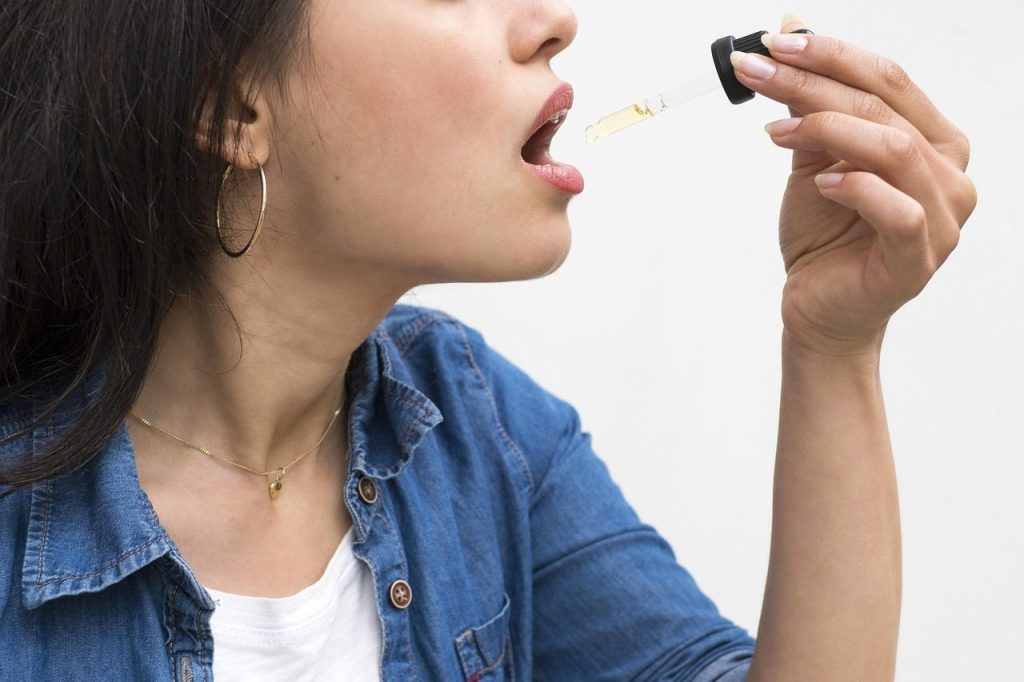
CBD oil is a go-to for many people looking to manage inflammation. It’s easy to dose, fast-acting when taken sublingually (under the tongue), and highly effective. Simply placing a few drops under my tongue in the morning has consistently kept my inflammation in check without any noticeable side effects.
When shopping for tinctures, look for products that include a certificate of analysis (COA) from a third-party lab. This ensures you’re getting what’s on the label and nothing you don’t want.
Topicals and Creams
If you’re dealing with localized inflammation, such as sore knees, aching wrists, or muscle tension, CBD and THC-infused topicals are worth trying. I keep a CBD cream in my gym bag for immediate relief after tough workouts. Because topicals are applied directly to the skin, they target specific areas without producing systemic effects, making them a good entry point for anyone new to cannabis.
Edibles and Capsules
For a long-lasting effect, edibles and capsules are a solid choice. I personally prefer CBD capsules for consistency of dosing, though gummies are popular for the same reason. Keep in mind that edibles take longer to kick in (anywhere from 30 minutes to 2 hours) because they pass through the digestive system before reaching the bloodstream.
Vaporizing
If you need rapid relief, vaping CBD or THC is one of the fastest ways to feel the effects. I don’t vape often, but in acute situations like sudden pain flare-ups, it can be an effective option. That said, research on the long-term safety of vaping is still evolving, so it’s worth weighing the convenience against the unknowns.
Choosing the Right Product: Full-Spectrum, Broad-Spectrum, or Isolate
Not all CBD products are created equal, and the type you choose can affect how well it works for inflammation.
Full-spectrum products contain CBD along with other cannabinoids (including trace amounts of THC), terpenes, and flavonoids. Many researchers believe full-spectrum offers the strongest anti-inflammatory benefits thanks to the entourage effect.
Broad-spectrum products contain multiple cannabinoids and terpenes, but with THC removed entirely. This is a good middle ground if you want the entourage effect without any THC.
Isolate products contain pure CBD with no other cannabinoids. While effective for some people, isolates may not provide the same level of inflammation relief as full- or broad-spectrum options.
For inflammation specifically, I’ve had the best results with full-spectrum products. However, if you’re subject to drug testing or prefer to avoid THC altogether, broad-spectrum is a strong alternative.
Dosage Tips: Finding the Right Balance
When using cannabis for inflammation, proper dosing matters. Here’s what I’ve learned through trial and error.
Start low and go slow, especially if you’re new to THC. A common starting point is 5 to 10mg of CBD, increasing gradually over a week or two until you find your effective dose. For daily maintenance, many people find that CBD doses between 15 and 50mg work well, though individual needs vary considerably.
For chronic conditions, a combination of CBD with a low dose of THC (sometimes as little as 2.5mg) may be more effective than either compound alone. Keep a simple journal tracking your dose, method, and how you feel. This makes it much easier to dial in what works for your body.
Everyone’s endocannabinoid system is different, so what works for someone else may not be your ideal approach. Patience and consistency are key.
Is It Legal? Understanding Cannabis Laws
Before using cannabis for inflammation, you’ll want to understand the legal landscape. In the United States, CBD products derived from hemp with less than 0.3% THC are federally legal under the 2018 Farm Bill, though individual state laws vary. Full-spectrum marijuana products with higher THC content may require a medical card or may only be available in states with recreational legalization.
If you’re outside the United States, cannabis regulations differ significantly from country to country, ranging from full legalization to strict prohibition. Always research the specific laws in your jurisdiction before purchasing or using any cannabis products.
Final Thoughts: My Approach to Inflammation Relief
Incorporating cannabis into my wellness routine has made a real difference in how I manage inflammation. Whether it’s CBD oil for daily balance, THC-infused topicals for joint pain, or capsules for all-day comfort, this plant has provided relief that conventional options often couldn’t match.
If you’re dealing with chronic inflammation, exploring cannabis under the guidance of a healthcare professional could be the natural remedy you’ve been looking for. Start with a quality product, begin at a low dose, and give your body time to respond. The results may surprise you.
This article is for informational purposes only and is not intended as medical advice. Always consult with a qualified healthcare professional before using cannabis to treat any health condition.

Author: 420 Stacks
Quick Hits with 420 Stacks! I am a freelance writer for Lazarat 🙂


Leave a Reply