
Cannabis topicals represent one of the fastest-growing segments in the cannabis market, and for good reason. These externally applied products, which include lotions, balms, salves, creams, and oils, offer a way to experience the potential benefits of cannabinoids without smoking, vaping, or ingesting anything. For people interested in localized relief or skin health, topicals provide a targeted approach that works differently from any other method of cannabis consumption.
This guide covers how cannabis topicals work, what the research says about their potential benefits, how to choose the right product, and what to know before you buy.
What Are Cannabis Topicals?
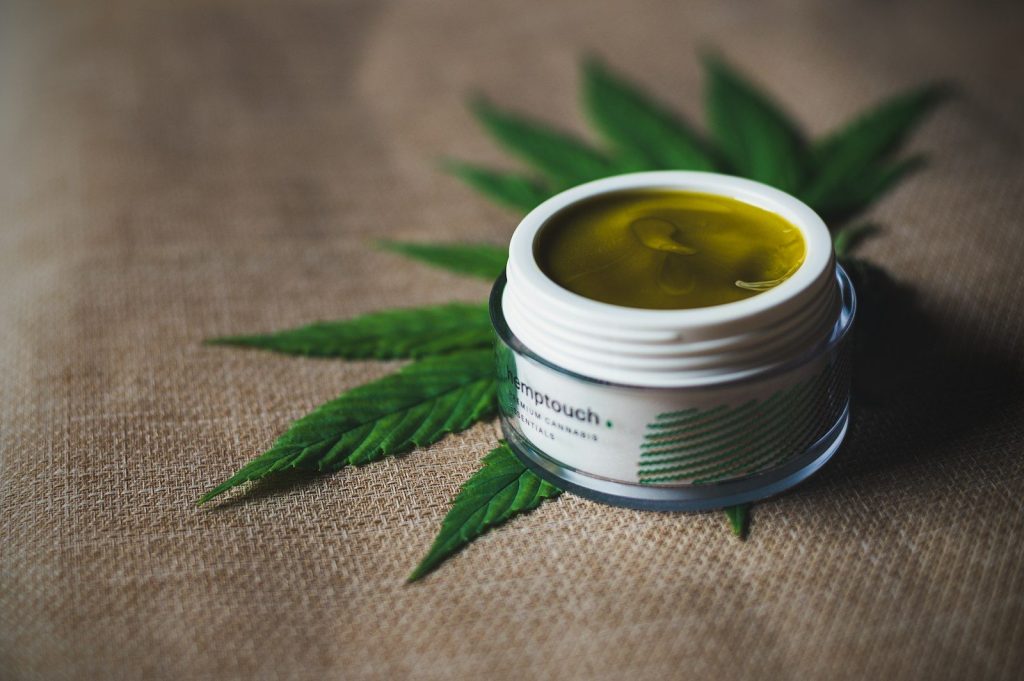
Cannabis topicals are products infused with cannabinoids, most commonly THC and CBD, that are designed to be applied directly to the skin. Unlike edibles or inhalation methods, topicals are not intended to produce a psychoactive high. Instead, they interact with cannabinoid receptors in the skin and underlying tissue to deliver localized effects.
The most common types of cannabis topicals include:
Lotions and creams are lightweight and absorb quickly, making them well-suited for general skin moisturization and daily use. They spread easily over larger areas and tend to feel similar to conventional body lotions.
Balms and salves use thicker formulations, often with a beeswax or shea butter base, that create a protective layer on the skin. These are commonly used for targeted relief of sore muscles or stiff joints because their heavier consistency allows the active ingredients to remain in contact with the skin for longer periods.
Oils are versatile and can be applied directly to the skin or used as a base ingredient in other topical products. Cannabis-infused oils are popular for massage and can be blended with essential oils for added aromatherapy benefits.
Each type has a different texture, consistency, and absorption rate, so the right choice depends on what you are using it for and your personal preferences.
How Cannabis Topicals Work
The Endocannabinoid System in the Skin
To understand cannabis topicals, it helps to know a bit about the endocannabinoid system (ECS). The ECS is a biological regulatory system present throughout the human body that helps maintain balance in functions like pain perception, immune response, and inflammation. It consists of endocannabinoids (compounds your body produces naturally), enzymes that break them down, and two primary receptor types: CB1 and CB2.
Research published in Trends in Pharmacological Sciences established that a functional endocannabinoid system exists in the skin, with CB1 and CB2 receptors present in keratinocytes, hair follicles, sebaceous glands, and sensory nerve fibers. This means the skin is not just a passive barrier; it actively participates in cannabinoid signaling. An immunohistochemical study published in the Journal of Dermatological Science confirmed that both CB1 and CB2 receptors are distributed across multiple structures in human skin, including nerve fiber bundles, mast cells, and epidermal cells.
When a cannabis topical is applied, the cannabinoids in the product interact with these local CB receptors, potentially modulating pain signals, inflammatory responses, and other skin functions in the area of application.
Topical vs. Transdermal: An Important Distinction
Not all products applied to the skin work the same way, and the difference between topical and transdermal application matters.
Traditional topicals interact with cannabinoid receptors in the skin and the tissue directly beneath it. They are designed for localized effects and generally do not deliver cannabinoids into the bloodstream in significant amounts. This is why standard cannabis lotions and balms typically do not produce psychoactive effects, regardless of their THC content.
Transdermal products, by contrast, are specifically formulated to push cannabinoids through the skin barrier and into systemic circulation. Transdermal patches are the most common example. A study published in Advances in Therapy investigated a novel transdermal delivery system and found that while both CBD and THC reached measurable plasma levels, the absorption was slower and the peak concentration was lower compared to inhaled or oral methods. The researchers noted that cannabinoids are naturally hydrophobic, which limits their ability to diffuse through the aqueous layers of the skin without the help of specialized delivery technologies.
For most consumers, this distinction is practical: if you want targeted relief in a specific area without systemic effects, a standard topical is the right choice. If you want cannabinoids to enter your bloodstream for whole-body effects, a transdermal formulation is designed for that purpose.
Bioavailability Considerations
Bioavailability refers to how much of a substance actually reaches its intended target and becomes available for use by the body. For cannabis topicals, bioavailability is generally lower than for inhaled or ingested methods, because the skin is designed to keep things out. Cannabinoids tend to accumulate in the outermost layer of the skin (the stratum corneum) and have limited ability to penetrate deeper without the assistance of permeation enhancers or advanced delivery systems.
A review published in Pharmaceuticals examined the challenges of delivering cannabinoids through the skin and noted that factors like the type of carrier oil, the concentration of active ingredients, and the use of penetration-enhancing agents all influence how effectively cannabinoids reach their target receptors. This is one reason why different topical products, even those with similar cannabinoid concentrations on the label, can produce very different results.
Potential Benefits of Cannabis Topicals
Localized Pain Relief
One of the most common reasons people reach for cannabis topicals is pain relief. When applied to a specific area, cannabinoids interact with CB1 and CB2 receptors in the local tissue, potentially modulating pain signals before they reach the central nervous system.
A 2024 study published in Cannabis and Cannabinoid Research investigated the analgesic and anti-inflammatory effects of a 1% topical CBD gel in animal models. The researchers found that the topical CBD application significantly reduced paw licking times, paw edema, and writhing responses compared to placebo, and that the anti-inflammatory effects were comparable to those seen with diclofenac, a common prescription anti-inflammatory.
While animal studies do not automatically translate to human outcomes, findings like these support the rationale for using topical cannabinoids for localized pain and are driving further clinical research.
Anti-Inflammatory Properties
Inflammation underlies many common conditions, from arthritis and dermatitis to muscle strains and sunburn. Cannabinoids, particularly CBD, have demonstrated anti-inflammatory activity in multiple research settings.
A comprehensive review in the journal Biomolecules summarized the evidence, noting that CBD reduces pro-inflammatory cytokine levels through multiple pathways, including modulation of the A2a adenosine receptor and inhibition of NF-kB signaling. The review also highlighted CBD’s ability to reduce inflammation triggered by the acne-associated bacterium Cutibacterium acnes, suggesting applications beyond simple pain relief.
A study in La Clinica Terapeutica examined the effects of a CBD-enriched ointment in 20 patients with psoriasis, atopic dermatitis, and resulting scars. After three months of twice-daily application, the researchers observed significant improvements in skin hydration, elasticity, and clinical symptom scores, with no allergic or irritant reactions reported.
Skin Health Benefits
Beyond pain and inflammation, there is growing interest in the potential of cannabinoids for broader skin health applications. CBD in particular has been studied for its antioxidant, anti-aging, and anti-acne properties.
A pilot clinical trial published in the Journal of the American Academy of Dermatology found that a nanoparticle-encapsulated CBD cream reduced UV-A-induced DNA damage in human skin, including both nuclear and mitochondrial DNA mutations associated with photoaging. The researchers described it as the first trial to assess the UV-protective capacity of CBD-containing topicals in humans.
A review in the Journal of Cosmetic Dermatology noted that in vitro evidence supports CBD’s ability to reduce keratinocyte proliferation (relevant to psoriasis), decrease sebocyte proliferation and inflammatory marker expression (relevant to acne), and lower reactive oxygen species production in UV-exposed skin cells.
It is worth noting that much of the skin health research is still in early stages. While the preclinical evidence is promising, larger clinical trials are needed to confirm the extent and reliability of these benefits in real-world use.
Muscle Relaxation
Cannabis topicals are also popular among athletes and people who experience exercise-related soreness or chronic muscle tension. When applied to tight or sore muscles, the cannabinoids interact with local receptors to potentially promote relaxation and reduce stiffness. Many topical products combine cannabinoids with complementary ingredients like menthol, camphor, or arnica to enhance the soothing effect.
Choosing the Right Cannabis Topical
Consider What You Need It For
Different topicals are formulated with different goals in mind. A lightweight CBD lotion may work well for daily skin care and general moisturization, while a thick, high-potency balm may be better suited for targeting a sore knee or stiff shoulder. Understanding your primary goal will help narrow down your options.
Understand the Cannabinoid Profile
The cannabinoid content of a topical is one of the most important factors in determining its effects.
CBD-dominant topicals are the most widely available and are a good starting point for people who want potential anti-inflammatory and skin health benefits without any risk of psychoactive effects. CBD does not bind directly to CB1 receptors in the way that THC does, so even in transdermal formulations, it is unlikely to produce a high.
THC-dominant topicals may offer stronger analgesic effects for some users. Standard (non-transdermal) THC topicals should not produce psychoactive effects because the THC does not enter the bloodstream in meaningful quantities.
Balanced THC: CBD topicals combine both cannabinoids, which some users prefer based on the idea that the two compounds may work together more effectively than either one alone.
Check for Third-Party Lab Testing
Reputable cannabis topical products should come with a Certificate of Analysis (COA) from an independent lab. This document verifies the cannabinoid content, confirms that the product matches its label claims, and screens for contaminants like pesticides, heavy metals, and residual solvents. If a product does not have a COA available, that is a significant red flag.
How to Apply Cannabis Topicals
Application Tips
Getting the most out of a cannabis topical comes down to a few straightforward practices.
Start by cleaning the skin in the area where you plan to apply the product. Removing dirt, oil, and dead skin cells allows for better absorption. If you are using a new product for the first time, test a small patch of skin first to check for any irritation or allergic reaction before applying it more broadly.
Apply a thin, even layer and massage it into the skin using gentle circular motions. The massaging action itself can help improve circulation and promote absorption. Most products take 15 to 45 minutes to take effect, though onset times vary depending on the formulation, the thickness of the skin in the target area, and individual factors.
If the initial application does not provide the desired relief, you can reapply after 30 to 60 minutes. There is no standardized dosing for cannabis topicals, so start with a small amount and increase gradually based on your experience.
Safety Considerations
Cannabis topicals are generally well-tolerated, but there are a few precautions worth keeping in mind.
Do not apply topicals to open wounds, cuts, or broken skin, as this may cause irritation. Keep all cannabis products out of reach of children and pets, and store them in a cool, dry place to maintain potency. If you experience redness, itching, or discomfort after applying a product, discontinue use and consult a healthcare provider if symptoms persist.
If you are taking other medications or have existing skin conditions, it is a good idea to talk with a healthcare professional before incorporating cannabis topicals into your routine. While topical cannabinoids are not commonly associated with drug interactions, individual circumstances vary.
Making Your Own Cannabis Topicals
For those who prefer a hands-on approach, making cannabis topicals at home is relatively straightforward. The basic process involves infusing cannabinoids into a carrier oil, then combining that oil with other ingredients to create the desired product.
Infusing Cannabinoids into Carrier Oils
The most common method is to decarboxylate cannabis flower (heating it to activate the cannabinoids), then simmering it in a carrier oil like coconut oil or olive oil at low heat for several hours. The plant material is strained out, and the resulting infused oil serves as the base for your topical.
Basic Recipes
CBD Lotion: Combine CBD-infused coconut oil with shea butter, beeswax, and a few drops of essential oil (lavender and eucalyptus are popular choices). Melt the butter and beeswax together, stir in the infused oil and essential oils, then pour into a container and let it cool.
Pain-Relief Salve: Melt cannabis-infused oil with beeswax and a small amount of additional coconut oil in a double boiler. Stir until combined, pour into small tins or jars, and allow to cool and solidify.
Massage Oil: Mix cannabis-infused oil with a complementary carrier oil like jojoba, almond, or grapeseed oil. Add a few drops of essential oils for scent and additional therapeutic properties. Shake well before each use.
These recipes are starting points. Experimenting with different ratios and ingredients will help you find a formulation that works for your specific needs.
Understanding the Legal Landscape
The legal status of cannabis topicals in the United States depends on both the source of the cannabinoids and where you live. The situation has evolved significantly in recent years and continues to shift.
At the federal level, hemp-derived CBD products containing less than 0.3% delta-9 THC were legalized under the 2018 Farm Bill. However, legislation signed in November 2025 changed the federal definition of hemp, introducing a 0.4-milligram total THC per container threshold that is scheduled to take effect in November 2026. This change could significantly impact the availability of many CBD and hemp-derived topical products.
On the marijuana side, as of March 2026, 24 states plus Washington, D.C., have legalized recreational cannabis, and 40 states have comprehensive medical cannabis programs. In states with legal cannabis markets, THC-containing topicals are typically available at licensed dispensaries. In December 2025, President Trump signed an executive order directing the Attorney General to expedite rescheduling marijuana from Schedule I to Schedule III, though this process remains ongoing, and rescheduling alone would not legalize recreational cannabis at the federal level.
The bottom line: hemp-derived CBD topicals are currently widely available across most of the country, while THC-containing topicals are limited to states with legal cannabis programs. Always check your state and local laws before purchasing, and buy from licensed retailers or reputable brands that provide third-party lab results.
Possible Side Effects
Cannabis topicals carry a relatively low risk of side effects compared to other cannabis consumption methods, primarily because they deliver cannabinoids locally rather than systemically. However, some reactions are possible.
Mild skin irritation is the most commonly reported side effect. Some individuals may experience redness, warmth, or a tingling sensation at the application site, particularly with products that contain menthol, capsaicin, or other active ingredients alongside cannabinoids.
Allergic contact dermatitis can occur in individuals who are sensitive to specific ingredients in the formulation, such as certain essential oils, fragrances, or preservatives. Performing a patch test before widespread application is a simple way to screen for this.
Warming or cooling sensations are sometimes experienced at the application site, depending on the product’s formulation. These effects are typically temporary and not a cause for concern.
If you experience persistent or severe skin irritation, discontinue use and consult a healthcare provider. Individuals with known allergies to cannabis or any ingredients listed on the product label should exercise caution and review the ingredient list carefully before use.
Final Thoughts
Cannabis topicals occupy a unique space in the broader cannabis market. They offer a non-intoxicating, targeted approach to cannabinoid delivery that appeals to a wide range of users, from athletes managing recovery to people looking for alternative skin care ingredients. The growing body of research into the skin’s endocannabinoid system continues to reveal new potential applications, though much of the evidence remains at the preclinical stage.
Whether you are shopping for a commercially made product or experimenting with homemade formulations, the key is to start with quality ingredients, pay attention to cannabinoid content and third-party testing, and give any new product enough time and consistent use to evaluate its effects. As the science advances and the regulatory landscape continues to evolve, cannabis topicals are likely to become an increasingly well-understood and widely available option for localized relief and skin wellness.
This article is for informational purposes only and does not constitute medical advice. Cannabis topicals are not FDA-approved treatments for any medical condition. Consult a qualified healthcare professional before using cannabis products, especially if you are pregnant, nursing, taking medications, or managing a medical condition. Laws regarding cannabis products vary by state and are subject to change; always verify the legal status in your jurisdiction before purchasing or using any cannabis product.
© 2026 by Lazarat.com, All rights reserved. No part of this document may be reproduced or transmitted in any form or by any means, electronic, mechanical, photocopying, recording, or otherwise, without prior written permission.
Author: Dean
Meet Dean. Cannabis enthusiast. Edibles devotee. The kind of guy who reads the label twice before picking a gummy and still takes notes on the experience afterward. With a genuine love for the plant and a curiosity that never quits, Dean writes to help others explore cannabis with confidence, whether they're brand new to the scene or seasoned veterans looking to try something different.


Leave a Reply